
 AI ERP with agents inside the systems you run
 AI phone and voice agents for real calls
 LLM.coPrivate, self-hosted LLM deployments
 Legal AI infrastructure for firms
 AI RFP discovery and response drafting
 Automatic.coBusiness process automation
 CyberAttack.aiThreat detection and defense
 Secure AI virtual data rooms
 DigitalSign.coAI-designed digital signage for any screen
 hardware.coCustom AI hardware, software, and engineers
 Data.coPrivate AI infrastructure and governance
How Much Does Epic EHR API Integration Cost in 2026
Epic EHR API integration for a 2026 go-live typically lands between $75,000 and $400,000, and Epic's own program fees are a small share of that. The costs that blow out budgets sit below the fold: OAuth hardening, FHIR scope negotiation, and client-side testing against Epic's sandbox.
Three numbers do most of the work in 2026: developer program access, engineering hours against SMART App Launch v2.2.0, and the USCDI v3 baseline that becomes effective in January 2026.
What Epic's Developer Program Actually Charges
Epic rebranded App Orchard as Showroom in 2022, but the economics kept the same shape. The program is tiered: a low-cost entry tier for early builders, and higher tiers that unlock sandbox parity with production Epic releases, direct engineering channels, and customer-facing listing. A healthy pattern is to sit in the entry tier during the build and only climb once a paying health system wants the app listed in Showroom.
The real money flows outside the Epic contract. Each customer health system runs its own connection fee, interface uplift, and analyst time against the SMART scopes you request. A single hospital connection — not the program fee — is where buyers find themselves committing $15,000 to $60,000 per go-live. If this looks familiar from other integration programs, it should; the shape of the cost stack mirrors what the enterprise API integration cost breakdown lays out at a higher level.
SMART on FHIR and OAuth 2.0 Make Up Most of the Engineering
SMART on FHIR is how an application authenticates against Epic, and it is the single largest engineering line on a typical scope sheet. The SMART App Launch v2.2.0 specification requires every app to implement PKCE per RFC 7636 using the S256 code challenge method, and prohibits the 'plain' method entirely. If a vendor is reusing an OAuth library written against the v1 spec, that library is out of compliance with what Epic will accept at onboarding.
Epic's own OAuth 2.0 documentation describes three launch modes: provider-facing EHR launch, patient-facing standalone launch, and backend services for system-to-system access. Each has its own scope grammar, token lifetime, and refresh behavior. A clean implementation spans 120 to 240 engineering hours before Epic client-side testing even begins. Expect a mid-level engineer to land near 180 hours; a senior with prior Epic work closer to 100.
Sandbox Access, Vendor Services, and Client-Side Testing
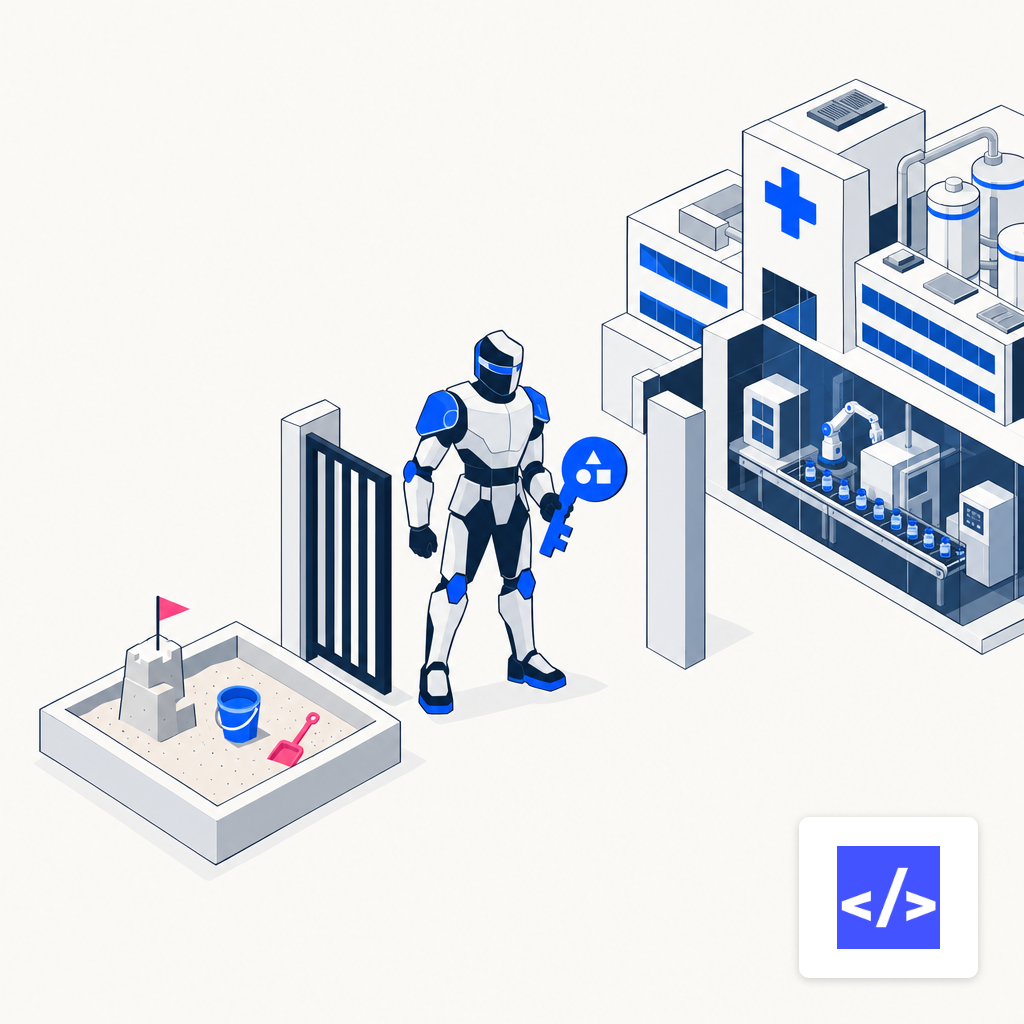
Epic's sandbox is free to any developer with a valid account, and the Showroom entry tier includes it. The expensive part of testing is the client-side gauntlet: Epic will not let an app connect to a real hospital instance until a customer health system runs it through their own validation. That typically means weeks of interface-analyst time on the hospital side and your engineer answering tickets about missing capabilities, scope mismatches, and session timeouts on yours.
Budget 40 to 120 hours of engineering for sandbox parity work and another 60 to 160 for client-side issues the sandbox never surfaced. Those client-side issues exist because sandboxes run on sanitized datasets; the actual hospital extensions, filters, and consent flags that production emits are not covered. The same logic that drives AI agent sandbox development applies in reverse here. A sandbox that looks nothing like production will pass every test and fail the first real connection.
FHIR Scopes, USCDI, and What the Rule Now Requires
The ONC HTI-1 Final Rule, published January 9, 2024, makes USCDI v3 the baseline certification standard effective January 1, 2026. That matters for Epic buyers because any app a hospital expects to consume Cures-era data must negotiate scopes against the v3 data classes, not v1. The payer side runs a parallel rail: CMS has enforced the Patient Access API since July 1, 2021, requiring impacted payers to expose USCDI v1 claims and encounter data via a FHIR R4 API.
Scope negotiation is where Epic integrations quietly erode. Hospitals do not grant wildcards; they grant exactly what was requested in the registration. If an app asked for patient/*.read and the health system restricts it to patient/Observation.read and patient/Condition.read, every other query will 403. Budget two to three rounds with the hospital's informatics team, usually 20 to 40 hours of a senior engineer's time per customer.
A Realistic 2026 Budget
For a single-tenant SMART on FHIR application connecting to Epic at one health system, with read-only access to a modest set of USCDI v3 resources, the line items look like this:
- Epic developer program (Showroom entry tier): $100 to $5,000 per year
- OAuth 2.0 and SMART launch implementation: 120 to 240 engineering hours
- FHIR R4 data model, parsing, and persistence: 80 to 160 hours
- Sandbox parity testing: 40 to 120 hours
- Client-side testing at the customer hospital: 60 to 160 hours
- Scope negotiation and informatics review: 20 to 40 hours per customer
- Security review adjacent to SOC 2: 40 to 80 hours
At a $180 to $240 blended rate, the labor alone lands at $75,000 to $200,000 for a clean single-connection build. Write access, multi-hospital rollout, bulk FHIR export against Flat FHIR, or CDS Hooks each add 100 to 300 hours of their own. A vendor quoting $40,000 for all of this has either done it twenty times at a loss or has not read the SMART App Launch spec. For teams considering what fits on top of this stack once the plumbing is live, the predictive analytics in healthcare breakdown covers what the data actually supports.
How to Scope the Engagement
A clinical SaaS founder building against one flagship customer should scope the engagement around a single Epic connection and a sandbox-first delivery; the second hospital is a different project, and pricing it that way will keep the first one honest. An enterprise health system buying an integration from a vendor should make that vendor name their Epic Showroom tier, show the last client-side test cycle they ran, and quote USCDI v3 scopes line by line. A payer facing the CMS deadlines should treat the Patient Access API build as a separate program from any provider-side app and staff it accordingly. Whoever owns the Epic surface should write API integration code the buyer can audit without the vendor's help.
